butter loves company

new york food blogger and lifestyle influencer

  • home
  • Recipes
  • travel
  • lifestyle
  • cookie orders
  • about
  • contact

iced brownie thins

August 4, 2015 by Butter Loves Company

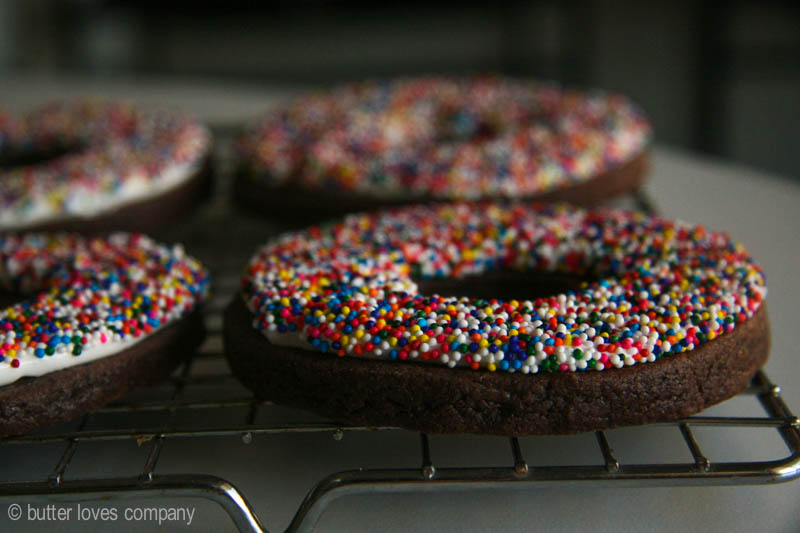
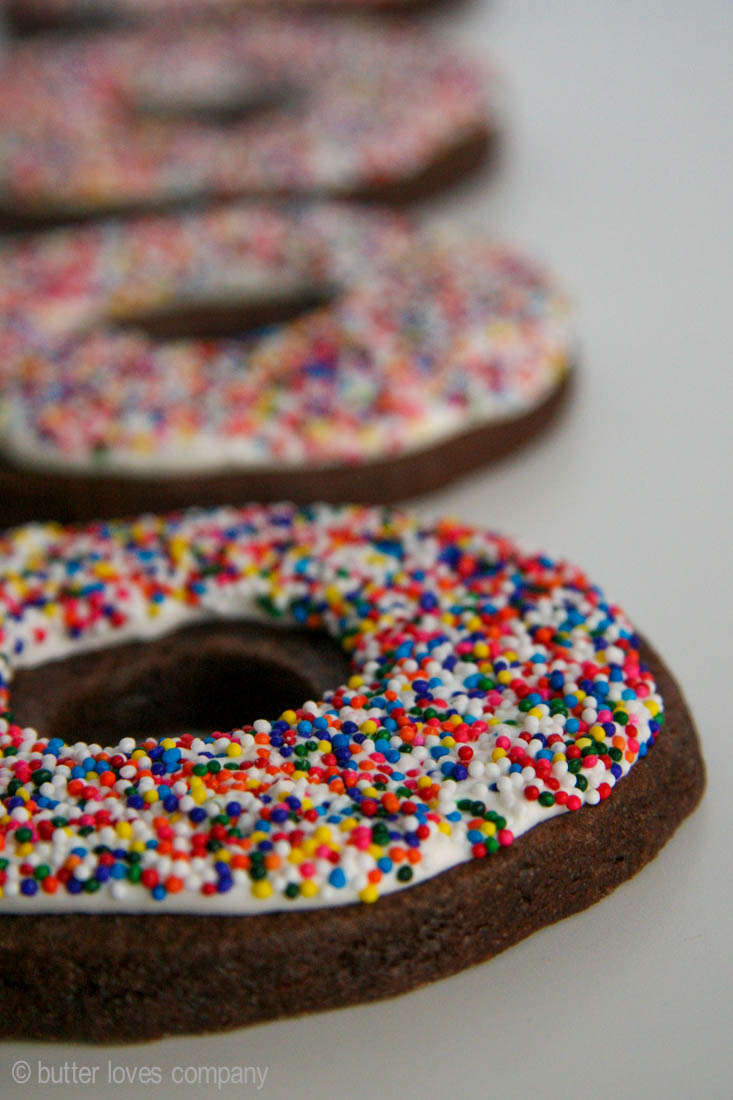
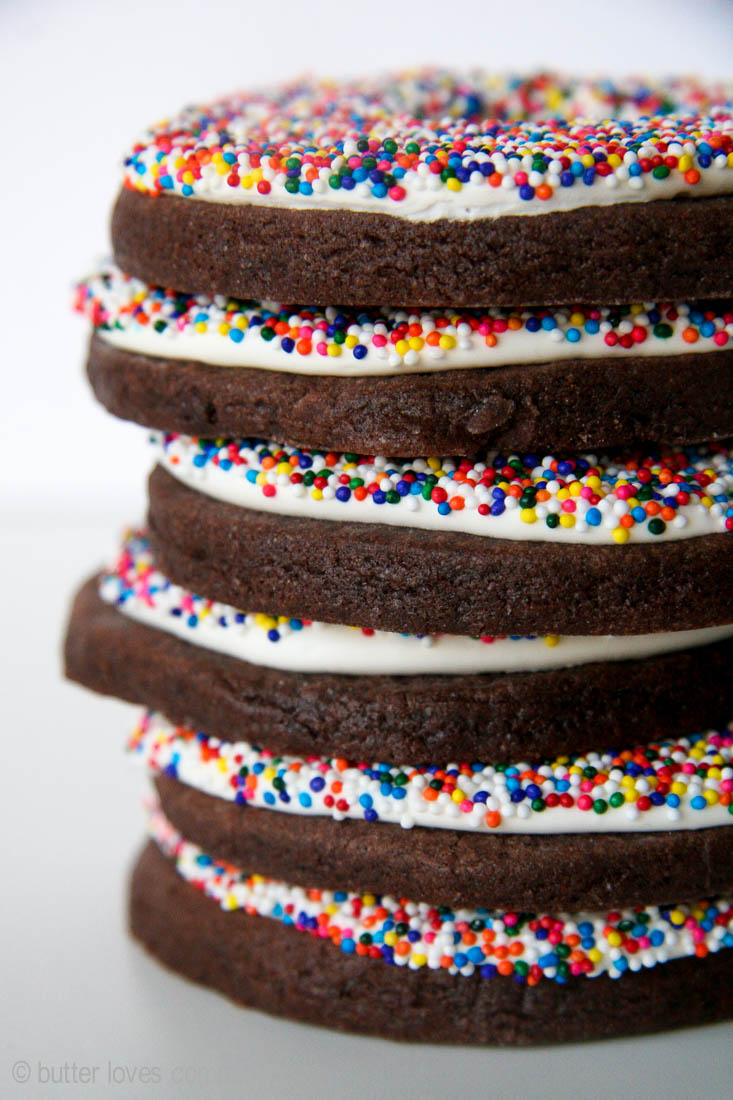
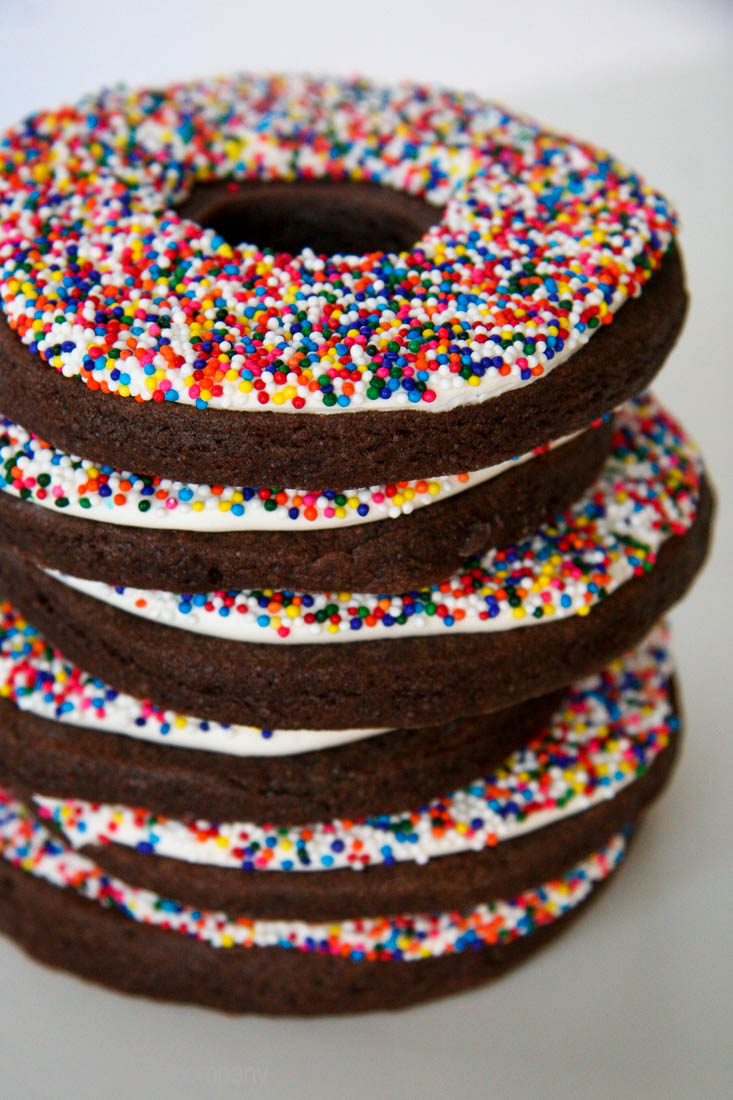
brownie-thins-royal-icing-cookies-10How fun are these little cookies?! They are like 2-D donuts! Or chocolate donut pancakes!

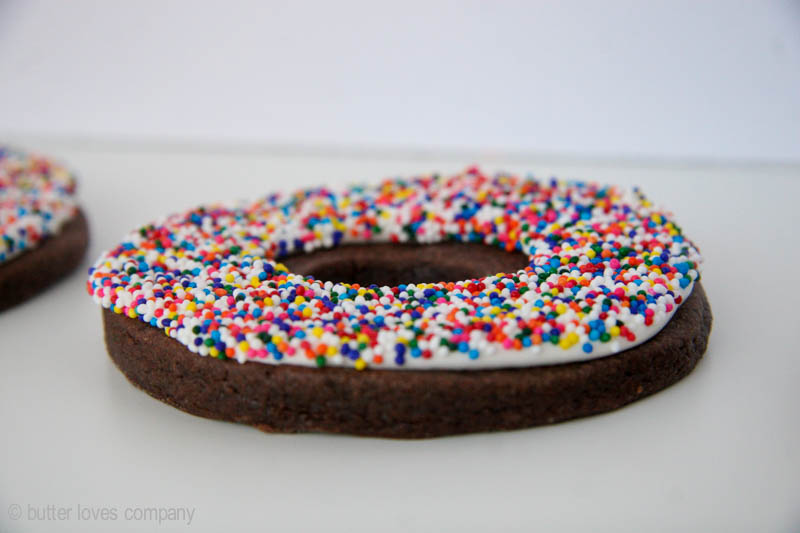
As fun as these roll-out cookies are for kids to make and eat, they are equally as satisfying for adults. The brownie thins have a mouth-coating chocolate flavor and the texture of a flattened fudge brownie. They are soft and chewy and are topped with sweet and crunchy vanilla royal icing and colorful nonpareils. Who wouldn’t love that?

Put one of these on the bottom of a bowl and top it with ice cream and you’ll be considered a superhero at home.

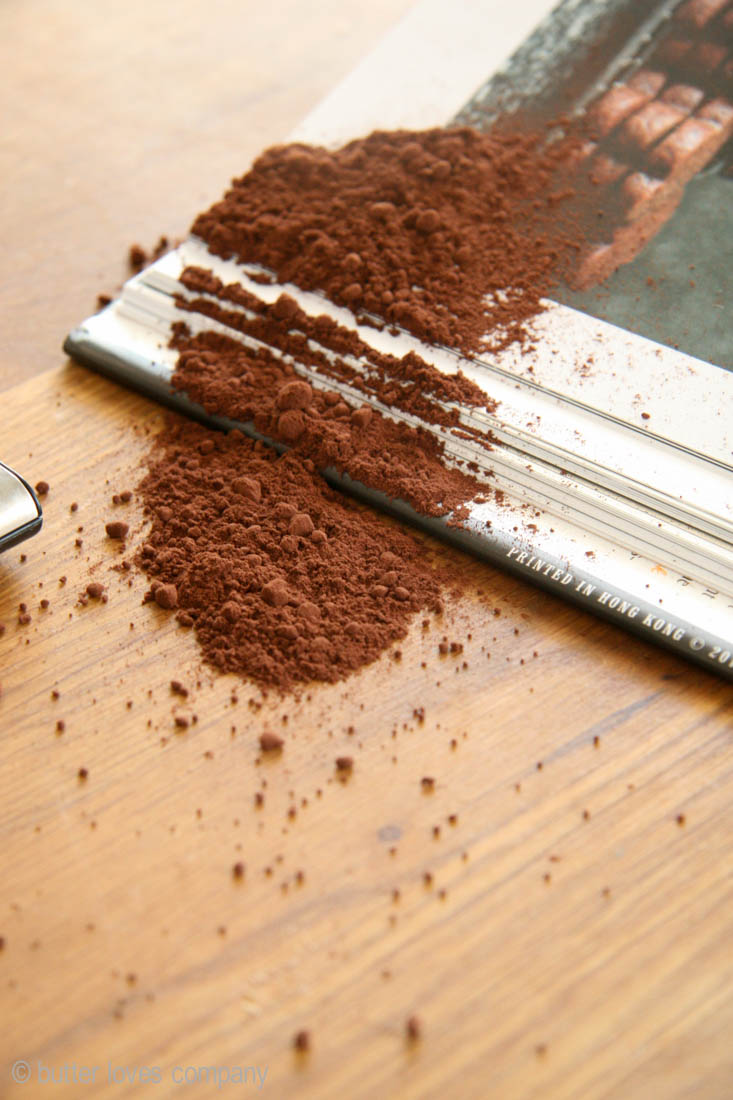
You’ll notice that Dutch processed cocoa powder is listed as an ingredient for this recipe. If you’re unfamiliar with the difference between Dutch processed and natural cocoa powder, I put together a separate post to help explain. You can find the deets here. It gets somewhat science-y, folks. Hold onto your hats.

If you skip that post, here’s the quick version:

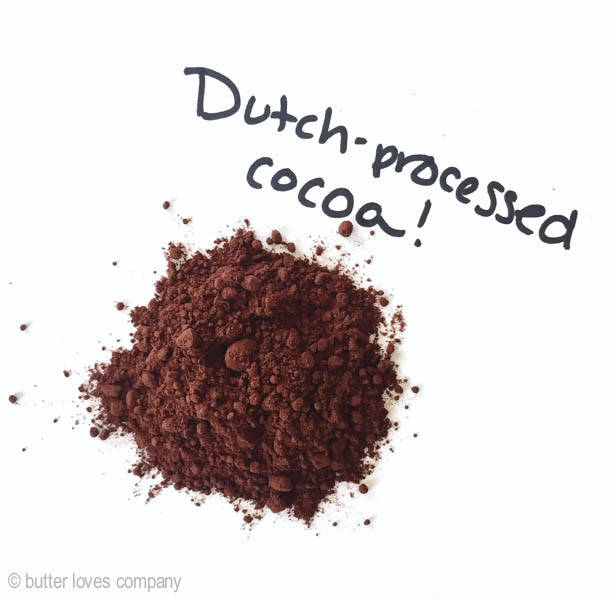
Dutch Processed (alkalized): Acid removed, darker color, smooth flavor, works best with baking powder, should not be used in recipes that call specifically for natural cocoa powder.

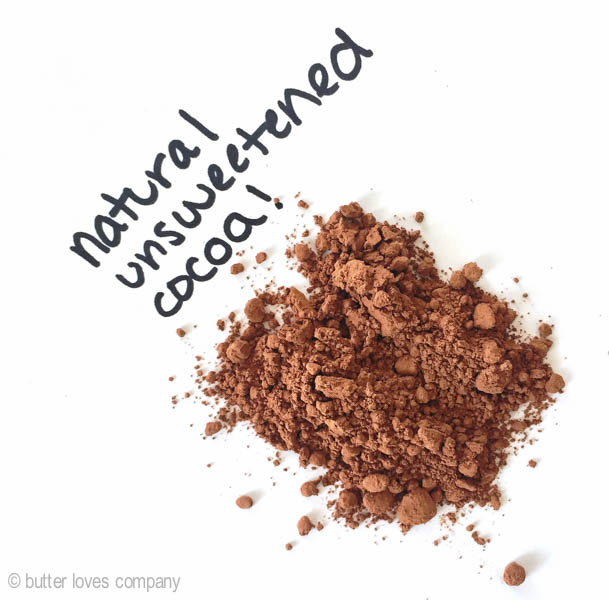
Natural (non-alkalized): Acidic, lighter color, sharp flavor, works best with baking soda, can sometimes be used in place of Dutch processed cocoa in recipes.

In this recipe I specifically used Valrhona Unsweetened 100% Cocoa Powder, which is Dutch processed (alkalized). You could actually try using natural cocoa powder (non-alkalized) in this recipe because of what we learned here. I have not made this recipe using natural cocoa (yet), so, if you try it, please do let me know how it turns out!
brownie-thins-royal-icing-cookies-1

Whoops!

brownie-thins-royal-icing-cookies-2

brownie-thins-royal-icing-cookies-3

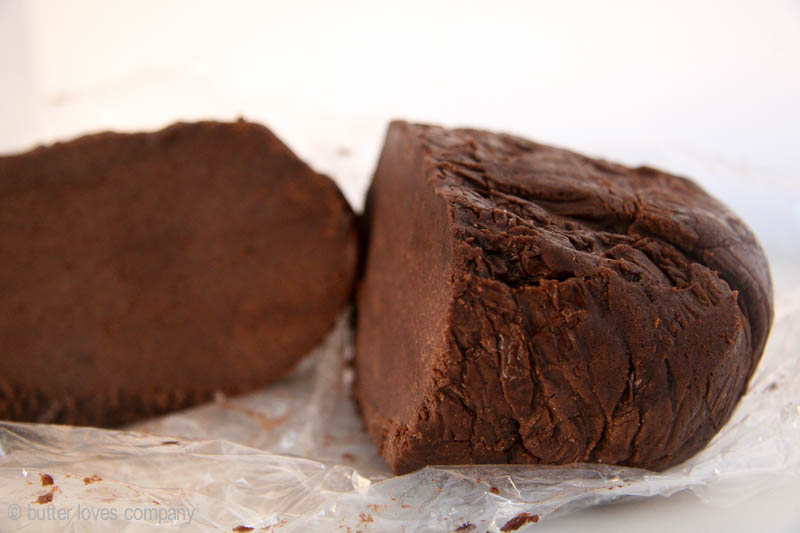
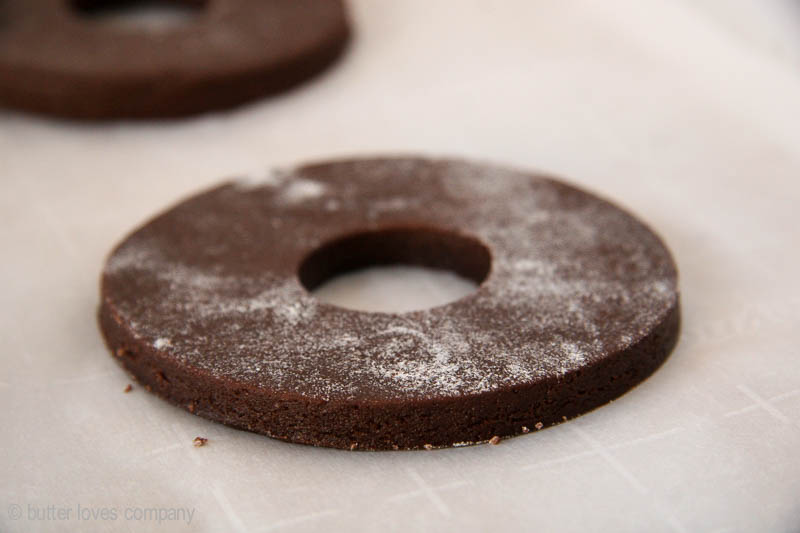
This dough is chilled and ready to roll!
brownie-thins-royal-icing-cookies-4

brownie-thins-royal-icing-cookies-6

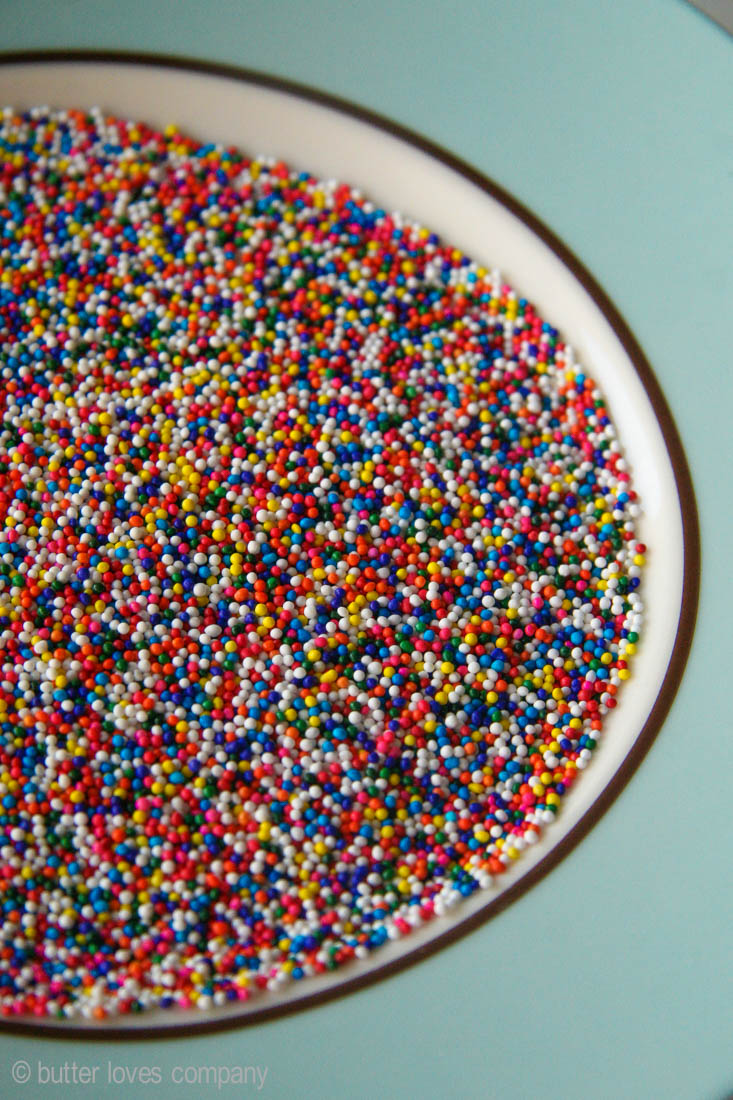
plenty o’ sprinkles

brownie-thins-royal-icing-cookies-7

brownie-thins-royal-icing-cookies-8

brownie-thins-royal-icing-cookies-11

iced brownie thins
adapted from the smitten kitchen cookbook

prep time: 15 minutes
cook time: 8–11 minutes
total time: 1 hour 30 minutes (includes chill time)
makes about 12 iced donut-shaped cookies or a lot more little ones (you may have extra icing)

Ingredients:

3 cups (275 grams) all-purpose flour, plus more for rolling
2/3 cup (55 grams) unsweetened Dutch processed cocoa
3/4 teaspoon table salt
1/2 teaspoon baking powder
16 tablespoons (225 grams or 2 sticks) unsalted butter, at room temperature
1 1/2 cups (300 grams) sugar
2 large eggs, room temperature
1 teaspoon vanilla extract
For icing:
2.3 ounces pasteurized egg whites (about 2 large eggs)
1/2 teaspoon vanilla extract
3 cups confectioners’ sugar
nonpareils or sprinkles for topping

Instructions:

  1. Preheat your oven to 350°F. Line two baking sheets with parchment paper and set aside.
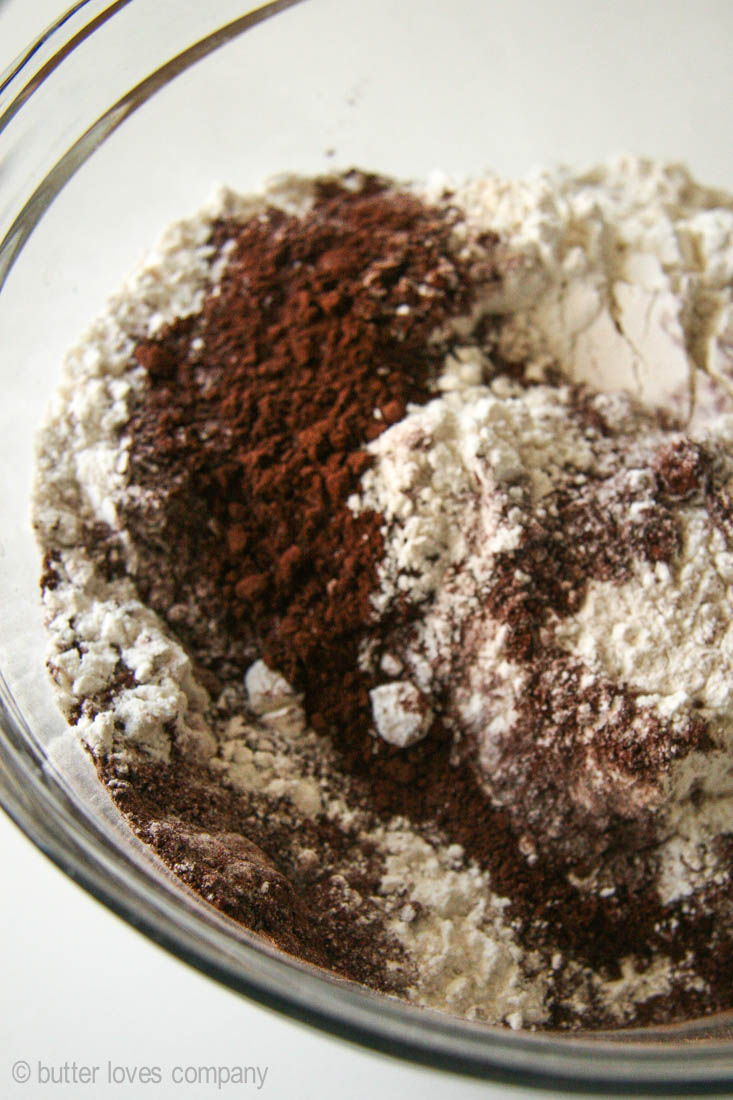
    In a medium bowl, sift together the flour, cocoa, salt, and baking powder. Set aside.
  2. In the bowl of an electric mixer fitted with the paddle attachment, cream the butter and the sugar on low-medium speed until it is light and fluffy, about 5 minutes. Add in the eggs, one at a time, scraping the sides of the bowl after each addition. Add the vanilla. With the mixer on low speed, slowly add the flour mixture to the butter mixture and mix until just incorporated. Wrap the dough in plastic and refrigerate for at least one hour.
  3. Lightly flour a work surface and remove the dough from the refrigerator. Using a rolling pin, roll the dough out until it is between 1/4 inch and 1/2 inch thick. Using a cookie cutter of your choice, cut cookies out from the dough and transfer to the prepared baking sheets leaving 2 inches between each cookie. Cook for 8 to 11 minutes, or until the edges are firm and the centers are slightly puffed but still appear soft. Transfer to a wire rack to cool completely while you prepare the icing.
  4. To prepare the icing: in the bowl of a stand mixer fitted with a whisk attachment, combine the egg whites and vanilla and beat until frothy. Add confectioners’ sugar gradually and mix on low speed until sugar is incorporated and mixture is shiny. Turn speed up to high and beat until mixture forms stiff, glossy peaks (5 to 7 minutes). Transfer to a pastry bag and pipe onto the cooled cookies. (You can also use a knife to spread onto the cookies if you’d like.) While the icing is wet, sprinkle with nonpareils, if desired. You may have extra icing and you can keep it in a well-sealed container in the fridge for a couple days to use again!
brownie-thins-royal-icing-cookies-9


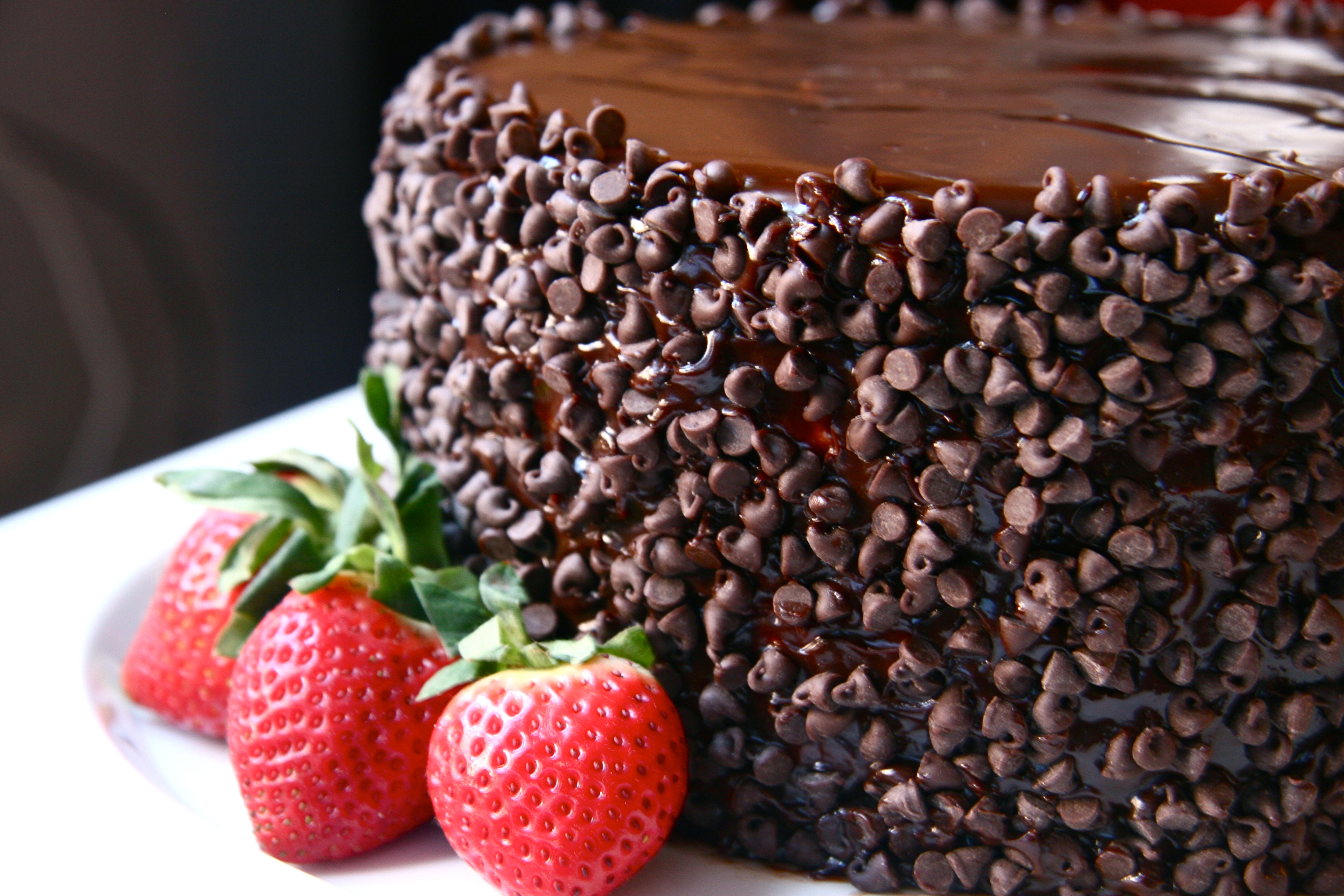
Is chocolate your jam? You should totally check out this recipe for Chocolate Pecan Torte with Strawberry Buttercream.
 

chocolate pecan torte with strawberry buttercream2


Filed Under: desserts and sweets, eat Tagged With: brownie cookies, brownies, chocolate cookies, dutch processed, royal icing

dutch-processed vs. natural cocoa powder

August 4, 2015 by Butter Loves Company

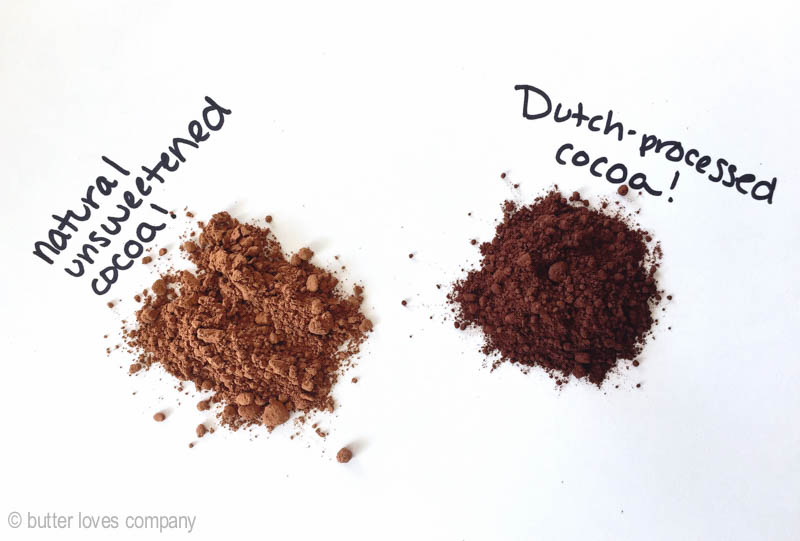
natural-versus-dutch-processed-cocoa-powder-1Have you ever noticed some recipes call for Dutch processed cocoa powder and others call for natural cocoa powder? Did you ever wonder what the difference was between the two? And, whether you can use one in exchange for the other? I know I’ve wondered all these things, so I did a bit of research and put my findings together for you here! Cocoa powder worries, no more!

Here’s the 411 on the difference between Dutch-Processed vs. natural cocoa powder:

Dutch Processed (alkalized): Made from cocoa beans that have been washed in a potassium solution that neutralizes their acidity. This gives the cocoa powder a darker color and a generally smoother flavor. Since Dutch processed cocoa isn’t acidic, it doesn’t react with alkaline leavening agents like baking soda. That’s why recipes that use Dutch processed cocoa are usually leavened by baking powder, which has a neutral pH and takes care of the acid component that this type of cocoa lacks.

Features: Acid removed, darker color, smooth flavor, works best with baking powder

natural-versus-dutch-processed-cocoa-powder-2

Natural (non-alkalized): Think Nestle and Hershey’s unsweetened cocoa powder. Made from cocoa beans that are roasted and then pulverized into a fine powder. Natural cocoa powders generally have a sharp and bitter flavor, a lighter color, and the acid is still present. Recipes using natural unsweetened cocoa powder are usually leavened by baking soda because baking soda is alkaline and reacts with the acidity of the cocoa powder.

Features: Acidic, lighter color, sharp flavor, works best with baking soda

natural-versus-dutch-processed-cocoa-powder-3

Which do I have?

If you can’t tell what type of cocoa you are using, take a closer look at the packaging. Dutch processed cocoa should say ‘Dutch processed,’ ‘alkalized,’ or ‘processed with alkali’ somewhere on the label or ingredient list. Natural cocoa is often labeled as ‘unsweetened cocoa powder’ or ‘unsweetened natural cocoa powder.’ According to Food52, “Absent the word alkalized or Dutch process on the label, you should be able to assume that the cocoa is natural.”

Can I use Dutch processed and natural cocoa interchangeably?

It depends on what you’re making. If the recipe does not call for a leavening agent such as baking soda or baking powder, you can use whichever cocoa powder you prefer the taste of: Dutch processed or natural (this would be for puddings, hot fudge sauce, ice cream, for example).

If a recipe does call for chemical leavening agents like baking powder or baking soda, things get more tricky. As always with baking recipes, it is best to follow as written or it is possible that things could get wonky with the texture or flavor.

If a recipe only calls for baking soda (and no baking powder), it likely uses natural cocoa (non-alkalized). It would not be a good idea to use Dutch processed for a recipe that calls for only baking soda because the alkalized Dutch processed cocoa would not react with the baking soda because it is also alkaline.

If a recipe only calls for baking powder (and no baking soda), it likely asks for Dutch processed cocoa (alkalized). In a pinch, you can use natural cocoa powder for a recipe that uses baking powder and calls for Dutch processed but you shouldn’t use Dutch processed for a recipe that calls for natural.

If a recipe calls for both baking powder and baking soda, it would be best to use the cocoa listed to get the proper balance of acid and alkaline.

Serious Eats wrote a helpful article about the science behind it all which goes into the different PH levels of the cocoa powders and leaveners.

Hope this helps clear up any cocoa questions you may have!

Filed Under: baking resources Tagged With: baking 101, cocoa powder, dutch processed, natural unsweetened cocoa powder

Welcome!

jenna of butterlovescompany

Pull up a chair

Hi! I’m Jenna. Story seeker, food lover, recipe developer based in NYC. Firm believer in making every day delicious! Read more…

looking for something?

  • Email
  • Facebook
  • Instagram
  • Pinterest
  • RSS
  • Twitter

Latest Posts

  • Freezer Meals to Make Before Baby: How We Meal Prepped Before Baby
  • mom’s famous spiced pecans
  • funfetti cookie dough truffles (no-bake)
  • maple coconut cookies
  • snickerdoodle blondies

popular now

brown butter banana bread, with crumble
crunchy chewy bakery-style sugar cookies
rosemary honey buttermilk biscuits
tourte milanese
chocolate marble loaf cake
pecan sticky bun babka recipe

grammin’

Hi! I'm Jenna, founder of butter loves company. From holidays to Tuesdays, let's find a way to make every meal special.
  • Email
  • Facebook
  • Instagram
  • Pinterest
  • RSS
  • Twitter
a2f54ba1dcf0635e58c8be4aa2035ce84863a9d9606a428ab3

© 2013-2019 BUTTER LOVES COMPANY, LLC.

Copyright © 2026 · Foodie Pro Theme by Shay Bocks · Built on the Genesis Framework · Powered by WordPress